
 Gamespagina
Left Chest Digitizing for Clean Logo Embroidery
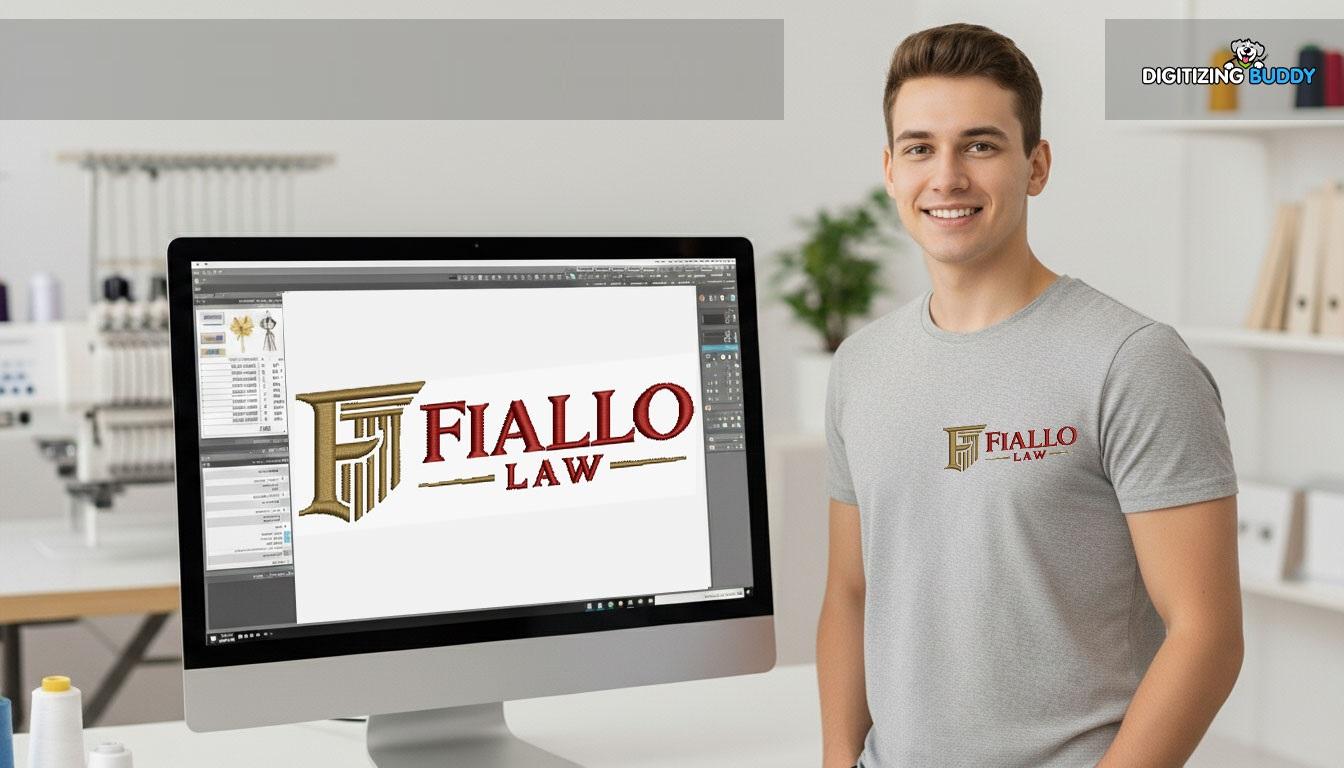
Left Chest Digitizing
Introduction
If you’ve ever looked at a professionally embroidered polo shirt or work uniform, chances are the logo on the left chest caught your attention first. It’s one of the most common embroidery placements in the apparel industry, and for good reason.
Left chest embroidery looks clean, professional, and timeless.
But creating a sharp embroidered logo in such a small space is not as simple as shrinking artwork and pressing start on an embroidery machine. Small text, fine details, and incorrect stitch settings can quickly turn a polished logo into a messy design.
That’s where left chest digitizing becomes incredibly important.
In this guide, we’ll break down what left chest digitizing is, why it matters, and how proper embroidery digitizing helps create clean and professional logo embroidery.
What Is Left Chest Digitizing?
Left chest digitizing is the process of converting a logo or design into an embroidery file specifically optimized for left chest placement on garments.
This type of embroidery is commonly used on:
-
Polo shirts
-
Uniforms
-
Jackets
-
Hoodies
-
Corporate apparel
-
Workwear
Since left chest logos are usually small, the digitizing process requires extra precision and careful stitch planning.
Why Left Chest Embroidery Is Challenging
At first glance, left chest embroidery may seem simple because the design area is small. In reality, smaller embroidery often requires more skill than large designs.
Common Challenges
-
Tiny lettering
-
Limited embroidery space
-
Dense stitching
-
Fabric movement
-
Fine design details
Imagine trying to write an entire sentence on a grain of rice. That’s similar to what embroidery digitizers deal with when working on detailed left chest logos.
Standard Left Chest Logo Size
Typical Left Chest Dimensions
Most left chest logos are between:
-
3 to 4 inches wide
-
2 to 4 inches tall
The exact size depends on:
-
Garment type
-
Logo shape
-
Design complexity
Keeping the design properly sized helps maintain readability and stitch quality.
Importance of Professional Left Chest Digitizing
Small Details Need Smart Stitching
Tiny text and thin lines can easily become unreadable if the design is not digitized correctly.
Professional digitizing helps:
-
Simplify details
-
Improve stitch flow
-
Reduce thread breaks
-
Maintain logo clarity
At Digitizing Buddy, professional left chest digitizing helps optimize small logos for cleaner embroidery and better production results.
Proper Stitch Density Matters
Overcrowding stitches in a small area can create:
-
Bulky embroidery
-
Puckering fabric
-
Needle breaks
-
Distorted logos
Balanced stitch density is essential for smooth embroidery performance.
Key Elements of Good Left Chest Digitizing
Clean and Simple Artwork
The best left chest embroidery starts with high-quality artwork.
Helpful Design Tips
-
Use bold shapes
-
Avoid tiny details
-
Limit small text
-
Keep spacing clean
Simple logos usually stitch better and remain easier to read.
Proper Underlay Stitches
Underlay creates a stable foundation beneath the top stitching.
Benefits of Underlay
-
Improves stability
-
Prevents fabric shifting
-
Enhances stitch quality
-
Supports clean edges
Good underlay is especially important for small left chest logos.
Correct Pull Compensation
Fabric naturally shifts during embroidery.
Pull compensation helps adjust stitch widths so logos maintain accurate sizing and shape after stitching.
Without proper compensation, text and shapes may appear too narrow or distorted.
Best Fabrics for Left Chest Embroidery
Different fabrics react differently during embroidery.
Popular Garment Choices
-
Polo shirts
-
Cotton blends
-
Performance fabrics
-
Fleece jackets
-
Work uniforms
Stretch fabrics often require additional stabilization and careful digitizing adjustments.
Common Left Chest Digitizing Mistakes
Using Too Much Detail
Small embroidery areas cannot handle excessive complexity.
Problems Caused by Overly Detailed Logos
-
Blurry text
-
Thread buildup
-
Poor readability
-
Uneven stitching
Simplifying artwork often improves final embroidery quality dramatically.
Ignoring Fabric Type
A design that stitches perfectly on thick jackets may not work the same way on lightweight polo shirts.
Digitizing settings should always match the garment material.
Poor Lettering Choices
Tiny fonts are one of the biggest problems in left chest embroidery.
Best Practice
Use thicker, clean lettering styles that remain readable after stitching.
Tips for Better Left Chest Embroidery
Test Stitch Every Design
Even experienced digitizers create sample runs before production.
Sample Testing Helps Identify
-
Density problems
-
Alignment issues
-
Thread breaks
-
Text readability
Testing saves time, materials, and frustration.
Use Quality Thread
Good embroidery thread improves:
-
Color vibrancy
-
Stitch consistency
-
Durability
-
Machine performance
Cheap thread may increase thread breaks and reduce design quality.
Keep Stitch Direction Balanced
Proper stitch direction improves:
-
Texture
-
Light reflection
-
Design clarity
Balanced stitching also helps prevent fabric distortion.
Why Left Chest Logos Are Popular
Left chest embroidery has remained popular for decades because it creates a clean and professional appearance.
Businesses use left chest logos for:
-
Employee uniforms
-
Brand recognition
-
Corporate apparel
-
Promotional clothing
It’s subtle, professional, and highly versatile.
How Digitizing Buddy Helps With Left Chest Digitizing
At Digitizing Buddy, professional embroidery digitizing services help optimize left chest logos for:
-
Small embroidery spaces
-
Clean lettering
-
Balanced stitch density
-
Smooth machine performance
-
Better embroidery quality
Proper digitizing ensures logos stitch cleanly while maintaining a professional appearance across different garment types.
Conclusion
Left chest digitizing may seem like a small part of embroidery, but it plays a huge role in creating clean, professional apparel.
Because left chest logos are compact, every stitch matters. Proper digitizing helps maintain readability, reduce thread issues, and improve embroidery quality across different fabrics and garments.
The key to successful left chest embroidery is balancing simplicity, stitch density, underlay, and proper sizing. When these elements work together, the final result looks polished and production-ready.
And with professional support from Digitizing Buddy, businesses and embroidery shops can achieve smoother, sharper, and more reliable left chest embroidery results.
FAQs
What is left chest digitizing?
Left chest digitizing is the process of converting a logo into an embroidery file optimized for small left chest embroidery placement.
What size should a left chest logo be?
Most left chest logos are typically between 3 and 4 inches wide, depending on the garment and design.
Why is left chest embroidery difficult?
Small embroidery areas require careful stitch density, readable lettering, and simplified artwork to maintain quality.
Can small text work in left chest embroidery?
Yes, but the text must be properly digitized and large enough to remain readable after stitching.
Why is professional digitizing important for left chest logos?
Professional digitizing helps optimize stitch paths, density, lettering, and fabric handling for cleaner embroidery results.

 English
 Arabic
 French
 Spanish
 Portuguese
 Deutsch
 Turkish
 Dutch
Dutch
 Italiano
 Russian
 Romaian
 Greek
Greek