Thread lifting has become a leading non-surgical cosmetic procedure for facial rejuvenation, offering lifting, tightening, and collagen stimulation without invasive surgery. As interest grows in advanced aesthetic procedures such as Thread Lift Treatment Riyadh, many patients want to understand the different types of threads available and how each one contributes to specific results. Not all threads are the same—each type varies in material, structure, durability, and lifting strength, making the selection process highly personalized based on facial concerns and treatment goals.
What Are Thread Lifts and Why Thread Types Matter:
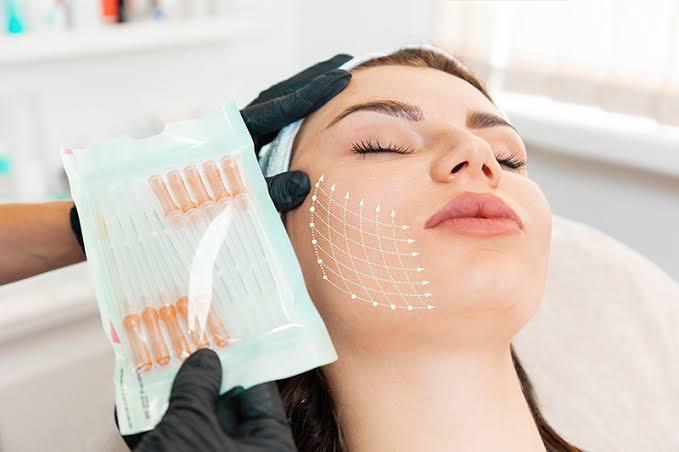
Thread lifts involve inserting dissolvable medical threads beneath the skin to lift sagging tissues and stimulate collagen production. The type of thread used plays a major role in determining the strength, duration, and quality of results. Different threads are designed to target specific aging concerns. Key reasons thread types matter include:
Variation in lifting strength and support level
Differences in collagen stimulation capacity
Longevity of results ranging from months to years
Suitability for different facial areas
Impact on comfort and recovery time Understanding these differences helps ensure better customization and more natural-looking outcomes.
PDO Threads: The Most Common Choice:
PDO (Polydioxanone) threads are the most widely used type in thread lifting due to their safety, versatility, and predictable results. These threads dissolve naturally in the body over time while stimulating collagen production. They are ideal for mild to moderate skin laxity. Key features include:
Made from biodegradable surgical material
Dissolve within 6–8 months
Stimulate collagen for gradual skin tightening
Suitable for early signs of aging
Often used for cheeks, jawline, and neck PDO threads are considered the foundation of most thread lifting procedures due to their reliability and safety profile.
PLLA Threads: Longer-Lasting Collagen Boosters:
PLLA (Poly-L-Lactic Acid) threads are designed for longer-lasting collagen stimulation compared to PDO threads. They do not provide as much immediate lift but excel in improving skin quality over time. Their main characteristics include:
Strong collagen-stimulating properties
Results that develop gradually over several months
Longer duration compared to PDO threads
Ideal for improving skin thickness and firmness
Often used for deeper facial rejuvenation These threads are suitable for patients looking for long-term improvement rather than immediate dramatic lifting.
PCL Threads: The Premium Long-Lasting Option:
PCL (Polycaprolactone) threads are the newest generation of thread lifting materials, offering the longest-lasting results among all types. They provide both structural support and extended collagen stimulation. Key benefits include:
Last up to 18–24 months or more
Strong lifting and volumizing effects
Enhanced collagen production over time
Flexible and biocompatible material
Ideal for advanced aging concerns Because of their durability, PCL threads are often used in more comprehensive facial rejuvenation plans.
Barbed Threads: For Strong Lifting Effect:
Barbed threads are designed with tiny hooks or barbs that grip the tissue, allowing for a more pronounced lifting effect. These threads are commonly used when visible lifting is required. Their main features include:
Mechanical anchoring for stronger lift
Effective for sagging cheeks and jawline
Immediate improvement in facial contour
Often used in combination with smooth threads
Suitable for moderate to advanced skin laxity Barbed threads are particularly useful when repositioning sagging tissue is the primary goal.
Smooth Threads: For Skin Quality Improvement:
Smooth threads do not provide significant lifting but are excellent for improving skin texture, elasticity, and firmness. They are often used in combination with other thread types. Key characteristics include:
Stimulate collagen without strong lifting effect
Improve fine lines and skin texture
Ideal for delicate areas like under eyes
Enhance overall skin quality
Used in large numbers for full-face rejuvenation Smooth threads are best suited for patients focused on skin refinement rather than lifting.
Screw Threads: For Volume and Subtle Lift:
Screw or twisted threads are designed to provide mild lifting along with volume enhancement in specific areas. Their spiral shape allows for better tissue support. Benefits include:
Provide gentle lifting and filling effect
Useful for hollow or sunken areas
Enhance facial volume naturally
Stimulate collagen production
Often combined with other thread types These threads are effective for restoring youthful fullness in targeted regions.
How Practitioners Choose the Right Thread Type:
Selecting the appropriate thread type is a critical part of treatment planning and depends on individual facial anatomy and aging patterns. Experienced practitioners consider several factors, including:
Severity of skin laxity
Desired level of lifting vs. skin improvement
Facial area being treated
Skin thickness and elasticity
Long-term aesthetic goals This personalized approach ensures balanced, natural-looking results rather than a one-size-fits-all outcome.
Combining Different Threads for Better Results:
In many cases, practitioners use a combination of thread types to achieve optimal results. This multi-layered approach enhances both lifting and skin quality. Common combinations include:
Barbed threads for lifting + smooth threads for texture
PDO threads for structure + PLLA for long-term collagen
PCL threads for durability + smooth threads for refinement
Screw threads for volume + barbed threads for contouring Combining threads allows for comprehensive facial rejuvenation tailored to individual needs.
Safety and Biocompatibility of Thread Materials:
All modern threads used in aesthetic procedures are designed to be safe, biocompatible, and fully absorbable. However, material quality and proper technique are essential for safe outcomes. Important safety considerations include:
FDA-approved or medically certified materials
Gradual absorption without harmful residues
Minimal risk of allergic reactions
Sterile and single-use application
Proper placement by trained professionals High-quality materials significantly reduce complications and improve results, especially in procedures like Thread Lift Treatment Riyadh.
Longevity of Results Based on Thread Type:
The duration of thread lift results depends largely on the type of thread used, as well as lifestyle and skin condition. General longevity expectations include:
PDO threads: 6–12 months
PLLA threads: 12–18 months
PCL threads: up to 24 months or more
Barbed threads: 12–18 months depending on usage
Smooth threads: gradual improvement over 6–12 months Maintenance treatments may be recommended to prolong results and enhance collagen support.
Final Thoughts:
Different types of threads play unique roles in thread lifting, from providing immediate lifting to long-term collagen stimulation and skin improvement. Understanding these differences helps patients choose the most suitable treatment based on their individual needs and expectations. When performed with the right combination of thread types and expert technique, thread lifting delivers natural, balanced, and long-lasting facial rejuvenation.

 Gamespagina
 Spanish
 English
 Arabic
 French
 Portuguese
 Deutsch
 Turkish
 Dutch
Dutch
 Italiano
 Russian
 Romaian
 Portuguese (Brazil)
 Greek
Greek