


 Gamespagina
Pigmentation Treatment: Effective Solutions for Brighter and Healthier Skin
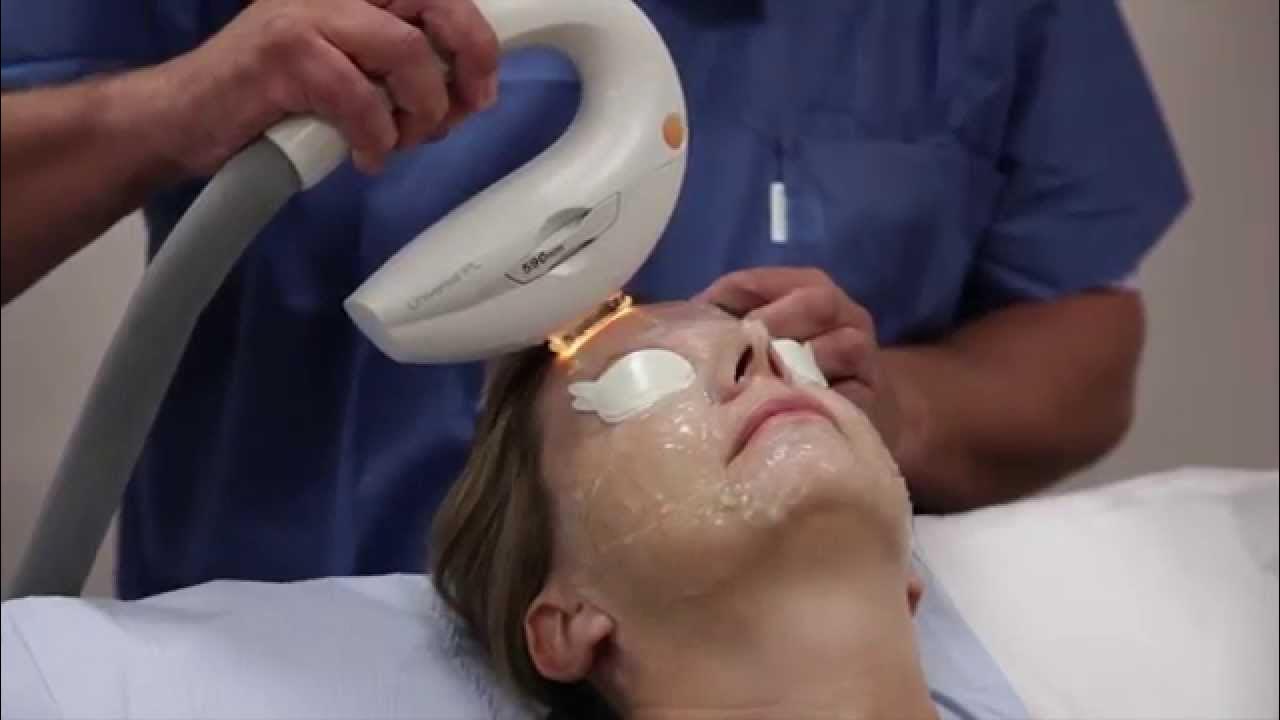
Skin pigmentation is one of the most common concerns affecting people of all ages. It occurs when melanin, the pigment responsible for skin color, is produced unevenly, leading to dark spots, patches, or an overall uneven skin tone. Factors such as sun exposure, hormonal changes, aging, genetics, and certain skin conditions can contribute to pigmentation problems. Fortunately, advancements in skincare and dermatology have introduced several effective options for pigmentation treatment that can help restore a clearer and more balanced complexion.
Understanding the causes of pigmentation is an important step toward choosing the right treatment. Different types of pigmentation require different approaches, and a personalized plan often provides the best results.
What Causes Skin Pigmentation?
Melanin production naturally protects the skin from harmful ultraviolet (UV) rays. However, when the skin produces excessive melanin in certain areas, pigmentation develops. Some of the major causes include:
Sun Exposure
Prolonged exposure to sunlight is one of the leading causes of pigmentation. UV rays stimulate melanin production, which can result in sunspots, freckles, and uneven skin tone. Without proper sun protection, pigmentation may become darker and more noticeable over time.
Hormonal Changes
Hormonal fluctuations during pregnancy, menopause, or due to certain medications can trigger pigmentation. Melasma, a condition characterized by brown or grayish patches on the face, is often linked to hormonal changes.
Aging
As the skin ages, its ability to repair itself decreases. Years of sun exposure and environmental stress can lead to age spots and other forms of pigmentation.
Skin Injuries and Inflammation
Acne, cuts, burns, or other skin injuries can sometimes leave behind dark marks known as post-inflammatory hyperpigmentation. These marks may fade gradually but often require targeted care.
Common Types of Pigmentation
Before selecting a pigmentation treatment, it is helpful to identify the type of pigmentation affecting the skin.
- Melasma: Usually appears as symmetrical dark patches on areas such as the cheeks, forehead, and upper lip.
- Sunspots: Small, flat, dark spots caused by long-term sun exposure.
- Post-inflammatory hyperpigmentation: Dark marks that appear after acne, irritation, or skin injuries.
- Freckles: Small brown spots that are often influenced by genetics and sun exposure.
Each type responds differently to treatment, making professional evaluation beneficial for achieving effective results.
Popular Pigmentation Treatment Options
Modern dermatology offers a variety of treatments designed to reduce pigmentation and improve skin clarity. The most suitable option depends on the severity, cause, and type of pigmentation.
Topical Treatments
Topical creams and serums are commonly used as a first approach for mild pigmentation. Ingredients such as vitamin C, niacinamide, retinoids, kojic acid, and alpha hydroxy acids can help brighten the skin and reduce the appearance of dark spots.
These products work by supporting skin renewal, reducing excess melanin production, and improving overall skin texture. Consistent use, along with sun protection, is essential for visible improvement.
Chemical Peels
Chemical peels involve applying a specialized solution to remove damaged layers of skin. This process encourages the growth of healthier skin cells and can help reduce pigmentation, dullness, and uneven texture.
Different types of peels are available, ranging from mild options for surface pigmentation to stronger treatments for deeper concerns. A skincare professional can recommend the appropriate peel based on individual skin needs.
Laser Treatment
Laser-based procedures are among the advanced options for pigmentation treatment near you. They use controlled light energy to target excess pigment and break it down, allowing the body to naturally remove it.
Laser treatments can be effective for certain types of pigmentation, including stubborn dark spots and sun damage. However, choosing an experienced professional is important to minimize risks and achieve safe results.
Microneedling
Microneedling is a procedure that creates tiny controlled injuries in the skin to stimulate collagen production and improve skin regeneration. When combined with suitable serums, it may help reduce pigmentation and improve skin tone.
This treatment can also enhance skin texture, making it a popular choice for people dealing with pigmentation along with acne scars or uneven skin quality.
Prescription-Based Treatments
In some cases, dermatologists may recommend prescription treatments containing stronger active ingredients. These treatments are generally used under medical supervision to ensure safety and effectiveness.
A professional consultation helps determine whether prescription options are suitable based on skin type and pigmentation severity.
Importance of Sun Protection During Pigmentation Treatment
Sun protection plays a crucial role in managing pigmentation. Even the most effective treatments may provide limited results if the skin continues to receive excessive UV exposure.
Using a broad-spectrum sunscreen daily helps prevent pigmentation from worsening and protects the skin from future damage. Sunscreen should be applied regularly, especially when spending time outdoors, and reapplied as needed.
Additional protective measures, such as wearing hats, using umbrellas, and avoiding intense sunlight during peak hours, can further support pigmentation management.
Natural Ways to Support Skin Health
While professional treatments can provide significant improvements, maintaining healthy skincare habits can support long-term results. Some helpful practices include:
- Keeping the skin moisturized to maintain its protective barrier.
- Following a gentle skincare routine to avoid irritation.
- Eating a balanced diet rich in antioxidants.
- Drinking enough water to support overall skin health.
- Avoiding harsh products that may trigger inflammation.
These habits do not replace medical treatments but can complement them and contribute to healthier-looking skin.
Choosing the Right Pigmentation Treatment
The best pigmentation treatment depends on several factors, including skin type, pigmentation depth, lifestyle, and the underlying cause. A treatment that works well for one person may not provide the same results for another.
Consulting a qualified dermatologist or skincare expert can help identify the right approach. Professional guidance ensures that treatments are selected safely and reduces the risk of irritation or worsening pigmentation.
Patience is also important because pigmentation often develops over time and may require consistent care before noticeable improvement appears. Following a recommended treatment plan and maintaining proper skincare habits can lead to better and more sustainable results.
Conclusion
Achieving healthy, radiant, and even-toned skin is possible with the right approach and a suitable Pigmentation Treatment in Lahore. Since pigmentation can develop due to various factors such as sun exposure, hormonal changes, aging, and skin damage, understanding its root cause is essential for selecting the most effective solution. Modern skincare advancements offer multiple options that can help reduce dark spots, improve skin texture, and restore a natural glow.
 Spanish
 English
 Arabic
 French
 Portuguese
 Deutsch
 Turkish
 Dutch
Dutch
 Italiano
 Russian
 Romaian
 Portuguese (Brazil)
 Greek
Greek