


 Gamespagina
Is Skin Whitening Safe? Dermatologist Insights from Islamabad
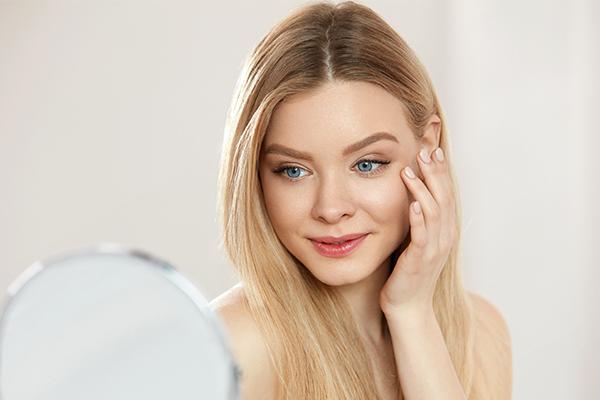
Skin tone concerns, pigmentation, and uneven complexion are among the most common reasons people visit dermatology clinics in Islamabad. With the rising popularity of cosmetic procedures, the question most patients ask before starting any treatment is simple but important: Is skin whitening safe?
The short answer is: it depends on what is meant by “skin whitening,” the method used, and who is performing the treatment. Modern dermatology no longer focuses on changing natural skin color but instead emphasizes improving skin health, reducing pigmentation, and achieving a more even skin tone.
This article explains dermatologists' perspectives on safety, common treatments, risks, and how to make informed decisions.
Understanding What “Skin Whitening” Really Means
In medical dermatology, especially in reputable clinics, the term “skin whitening in Islamabad” is gradually being replaced with:
- Skin brightening
- Pigmentation correction
- Skin tone improvement
- Photorejuvenation
This shift matters because unsafe practices often come from the idea of drastically altering natural skin color, which is neither medically recommended nor biologically realistic.
Dermatologists clarify that safe treatments aim to:
- Reduce excess melanin production
- Treat sun damage and dark spots
- Improve skin texture and glow
- Even out patchy pigmentation
They do not aim to permanently bleach or change genetic skin tone.
What Dermatologists Say About Safety
According to dermatology experts practicing in Islamabad, skin brightening procedures are generally safe when:
- Performed by qualified dermatologists
- Supported by proper skin diagnosis
- Done using approved medical-grade products
- Followed by correct aftercare
However, problems arise when treatments are done in non-medical environments or when patients use unregulated whitening products at home.
Safety is not about the procedure alone—it depends heavily on who performs it and how it is customized for your skin type.
Common Safe Skin Brightening Treatments
Dermatology clinics in Islamabad typically rely on evidence-based procedures. These are considered safe when done correctly:
1. Chemical Peels
Chemical peels use controlled acids to remove dead skin layers and improve pigmentation.
Safety profile:
Generally safe for most skin types when supervised. Mild redness or peeling is expected.
Risks if misused:
Burns, irritation, or post-inflammatory hyperpigmentation if overdone.
2. Laser Treatments
Laser therapy targets melanin clusters in the skin to reduce dark spots and uneven tone.
Safety profile:
Safe when performed with correct settings based on skin type.
Risks:
Incorrect laser intensity can cause burns or worsen pigmentation, especially in medium to darker skin tones common in Islamabad.
3. Microneedling with PRP
This treatment uses controlled micro-injuries to stimulate natural healing and collagen production.
Safety profile:
Very safe because it uses the patient’s own blood components.
Risks:
Minimal, mainly temporary redness or swelling.
4. Topical Medical Treatments
Dermatologists often prescribe:
- Vitamin C serums
- Retinoids
- Azelaic acid
- Niacinamide
Safety profile:
Safe when used correctly under medical supervision.
Risks:
Overuse can lead to dryness or irritation.
Unsafe Practices to Avoid
One of the biggest concerns in dermatology clinics in Islamabad is the misuse of unregulated whitening products.
1. Steroid-based Creams
Some fairness creams contain steroids that provide quick results but damage the skin barrier over time.
2. Mercury-containing Products
These are highly toxic and can cause long-term kidney and skin damage.
3. High-strength hydroquinone misuse
While hydroquinone is effective for pigmentation, unsupervised long-term use can lead to ochronosis (bluish-black discoloration).
4. Non-medical “instant whitening” injections
These are often unsafe and not approved for dermatological use.
Dermatologists strongly advise avoiding any treatment that promises instant or permanent whitening results.
Side Effects: What’s Normal and What’s Not
Like all cosmetic procedures, skin brightening treatments can have side effects.
Normal and temporary effects:
- Mild redness
- Slight peeling
- Temporary sensitivity
- Light swelling after procedures
Warning signs:
- Persistent burning sensation
- Blistering or severe irritation
- Uneven dark patches after treatment
- Allergic reactions
If any severe symptoms occur, immediate consultation with a dermatologist in Islamabad is necessary.
Who Should Be Extra Cautious?
Dermatologists recommend special care for:
- People with sensitive skin
- Individuals with melasma
- Patients with a history of allergies
- Those with darker skin tones prone to hyperpigmentation
In such cases, treatment plans must be gradual and conservative to avoid complications.
Why Personalization Matters
One of the key insights from dermatologists in Islamabad is that there is no universal skin whitening solution.
Treatment safety depends on:
- Skin type (oily, dry, combination, sensitive)
- Depth of pigmentation
- Medical history
- Lifestyle and sun exposure
For example, a laser setting that works well for one person may cause pigmentation issues in another. This is why self-treatment or copying someone else’s routine can be risky.
The Role of Sun Protection
No skin brightening treatment is effective or safe without sun protection. Dermatologists consistently emphasize:
- Daily use of broad-spectrum sunscreen
- Avoiding peak sun exposure
- Wearing protective clothing
In a sunny climate like Islamabad], sun exposure is one of the main causes of pigmentation returning after treatment.
Without proper sun protection, even the best clinical procedures will have limited long-term results.
Final Dermatologist Opinion
From a medical standpoint, skin whitening or skin brightening treatments are generally safe when done responsibly and under expert supervision in Islamabad].
The risks mostly come from:
- Unqualified practitioners
- Overuse of strong chemicals
- Unrealistic expectations
- Lack of proper diagnosis
Dermatologists consistently recommend focusing on healthy, even, and natural-looking skin rather than dramatic changes in complexion.
Conclusion
So, is skin whitening safe? The answer is yes—when it is medically guided, evidence-based, and tailored to your skin.
In modern dermatology practices across Islamabad, the goal is not to change who you are, but to improve skin health, restore confidence, and treat real pigmentation concerns safely.

 Arabic
 French
 Spanish
 Portuguese
 Deutsch
 Turkish
 Dutch
Dutch
 Italiano
 Russian
 Romaian
 Portuguese (Brazil)
 Greek
Greek